Literature Recommendations
The books introduced into students' lives shape their perceptions of the world, community, and themselves. This list offers educators book recommendations that advocate justice and dignity for disabled individuals. These recommendations undergo thorough review to ensure they align with a Disability Studies in Education (DSE) framework.
Ages:
5-8

Moses Goes to a Concert
"The main character, Moses, and his friends from school are deaf, and like most children, they have a lot to say. They are able to communicate using American Sign Language (ASL). I would recommend this book because not only does it encourage young readers to dream, but also gives them perspective on different ways people express themselves. I enjoyed how the book included pictures of Moses using sign language, teaching readers more about ASL".
-Kennedy Reeder
Ages:
3-6

Dad and Me in the Morning
"I would recommend this book because it shows a loving story between a boy and his dad. The boy communicates without words and is able to express himself clearly. Watercolor illustrations show that beauty is never far away".
-Macy Neace
Ages:
4-7

Susan Laughs
"The main character is a little girl who uses a wheelchair. She does all the same things other kids do and feels the same emotions. This gives a positive message about disability. I would recommend this book because it exposes children to differences when they are forming their opinions and beliefs. Parents or teachers can offer guidance by answering questions and normalizing disability".
-Maggie Niesen
Ages:
5-10
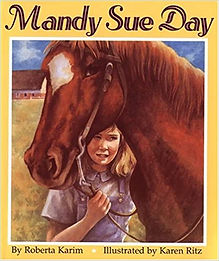
Mandy Sue Day
"This book challenges readers to reflect on the limits they impose on disabled people, specifically blind people. While some make assumptions of what others can and can’t do, the main character shows that she goes through her day without limiting herself in work, family life, and fun."
-Mady Wilson
Ages:
9-12

Tameka's New Dress
"I would recommend this book because it demonstrates the importance of accepting children as learners just the way they are. It offers a message that those who are healing from trauma can be given the help they need and be treated with care and respect. This book highlights the notion of loving ourselves the way we are".
-Mackenzie Smith
Ages:
4-8

The Girl Who Thought in Pictures: The Story of Dr. Temple Grandin
"The Girl Who Thought in Pictures: The Story of Dr. Temple Grandin does a great job explaining how autism can influence someone’s behavior and emotions. This message is sent through pictures and rhymes. I would recommend this book to anyone who wants to learn more about 1.) how autism works, 2.) a unique learning style, or 3.) an inspiring person, Dr. Temple Grandin! (She is not inspiring because of her disability, but because of her great accomplishments)".
-Maggie Niesen
Ages:
8-12

My Friend Isabelle
"My Friend Isabelle highlights a friendship of acceptance and inclusion that celebrates differences. Teachers can use this book to help students see that people who are different can be your friend".
-Kelsey Marler
Ages:
4-8

Mama Zooms
"Mama Zooms by Jane Cowen-Fletcher is a short, very cute book of a child’s perspective of his mom who happens to use a wheelchair. This book tells kids that just because a person has a disability, does not make them any less of a person. Since his mother has a wheelchair, he is able to be very imaginative and accepting".
-Gillian Stamets
Ages:
4-8

Not So Different: What You Really Want to Ask about Having a Disability
"This book would be beneficial for all ages to read, as it answers basic questions about disability that often go unanswered. Covering a wide range of questions about Shane’s life, it addresses bullying and how Shane has experienced being outcast because of his disability. This can help children understand that pointing and staring can be mean and encourages them not to judge someone they don’t know".
-Carlie Dellecave
Ages:
4-8

My Three Best Friends and Me, Zulay
"Readers live vicariously through a young, African American, blind girl as she experiences first grade, as this story is told completely from her perspective. This story will not only teach children about the experiences of a blind peer, but will also help normalize disability in the classroom in general".
-Kennedy Reeder